Turning an abandoned website into a fundraising platform
For the Federation of Palm Beach County. A community institution with decades of trust behind it, and a digital presence that had gone five years without a developer.
01
The decision
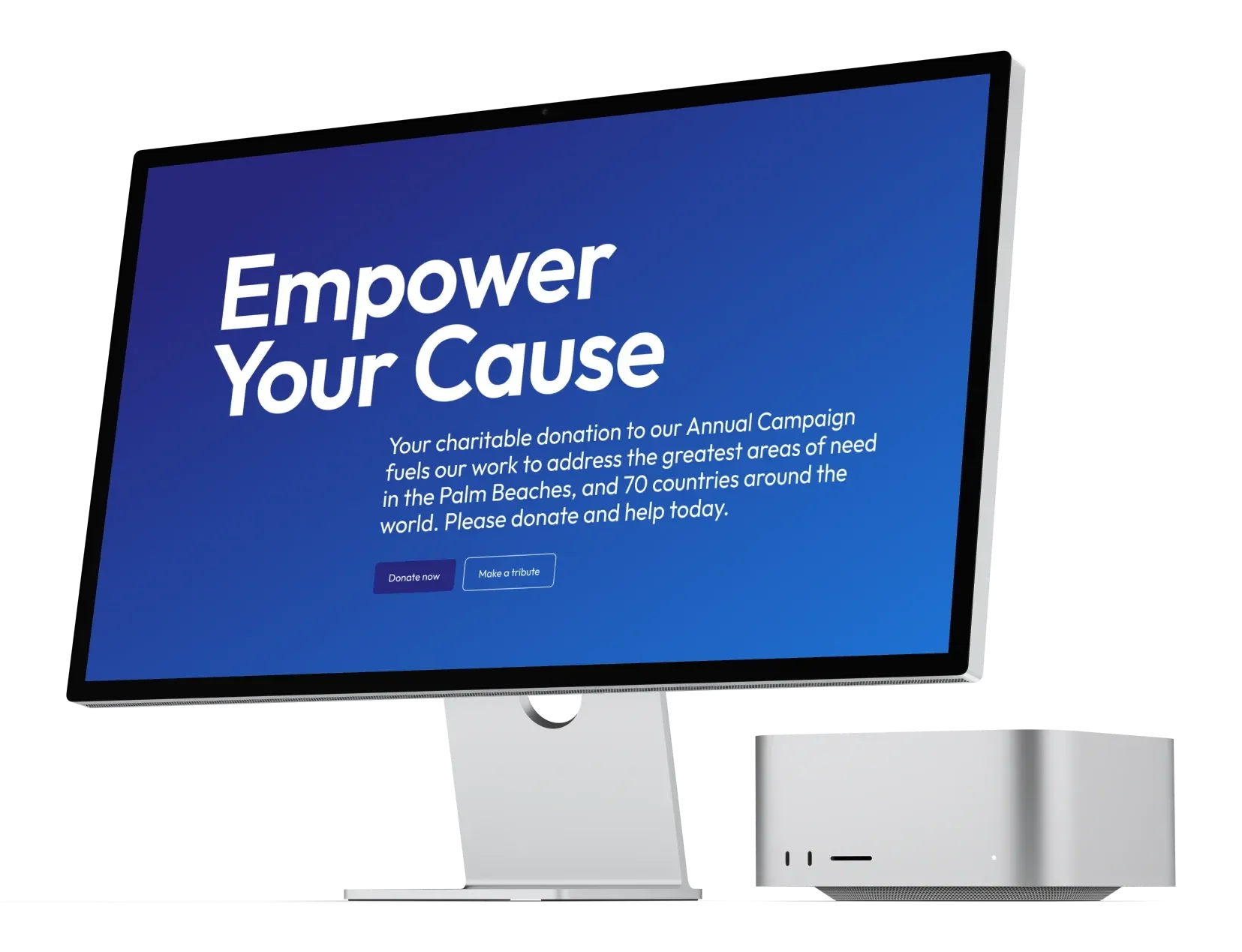
Stop treating the website as a communications archive. Treat it as a fundraising product.
02
The challenge
The Federation's website had gone more than five years without a developer. It ran on a page builder that had itself been discontinued, carried unpatched security issues, and struggled badly on mobile.
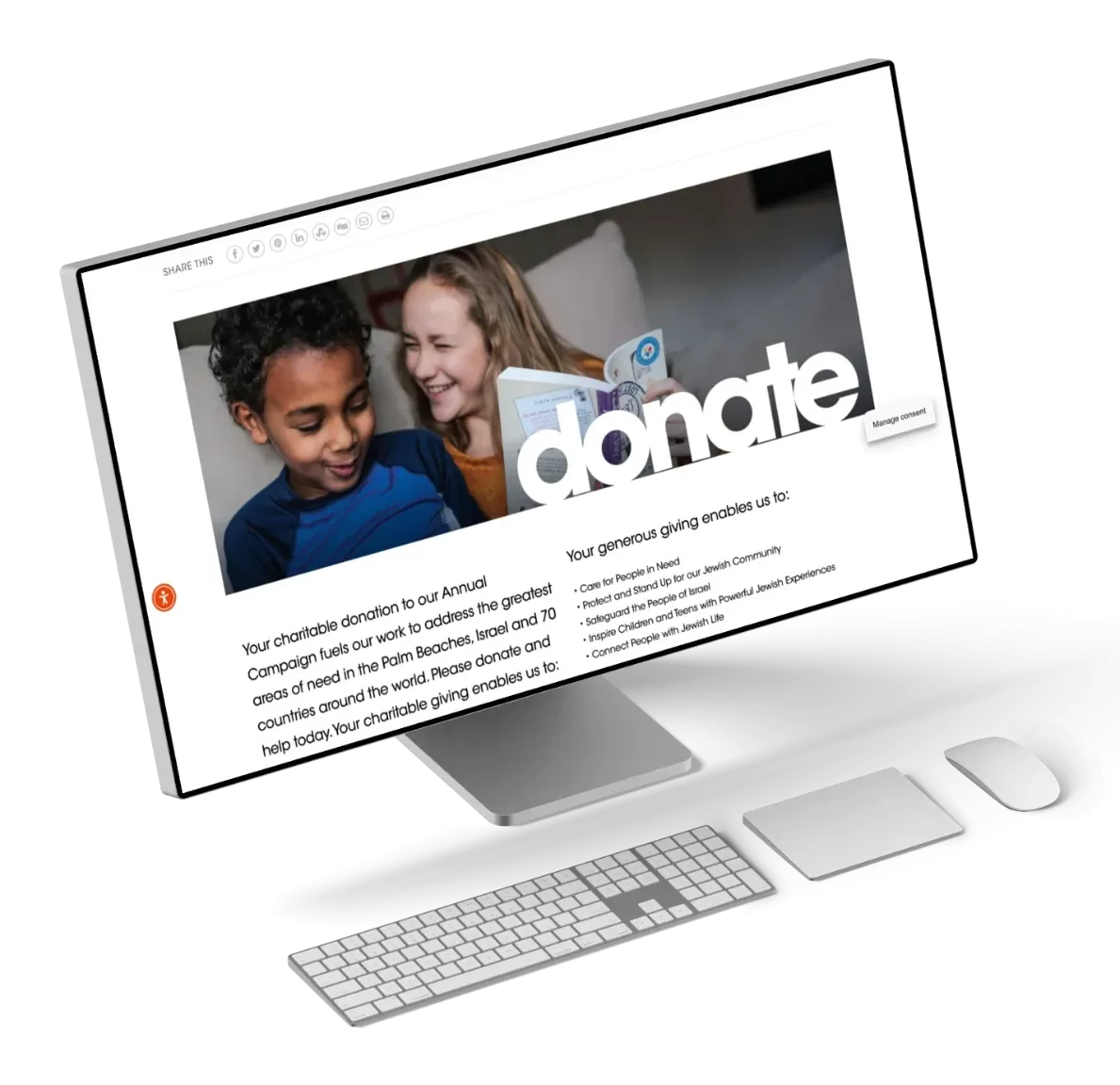
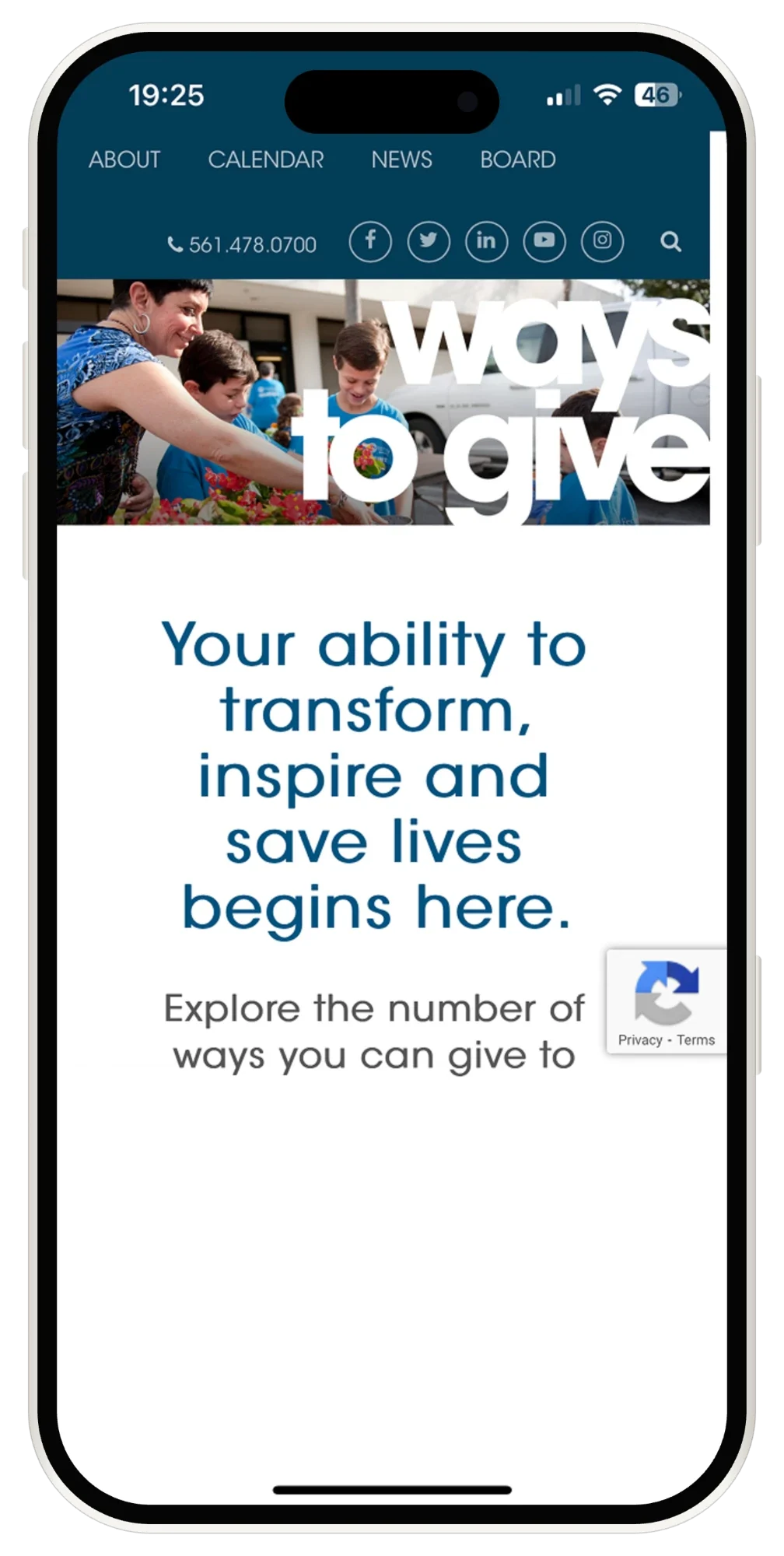
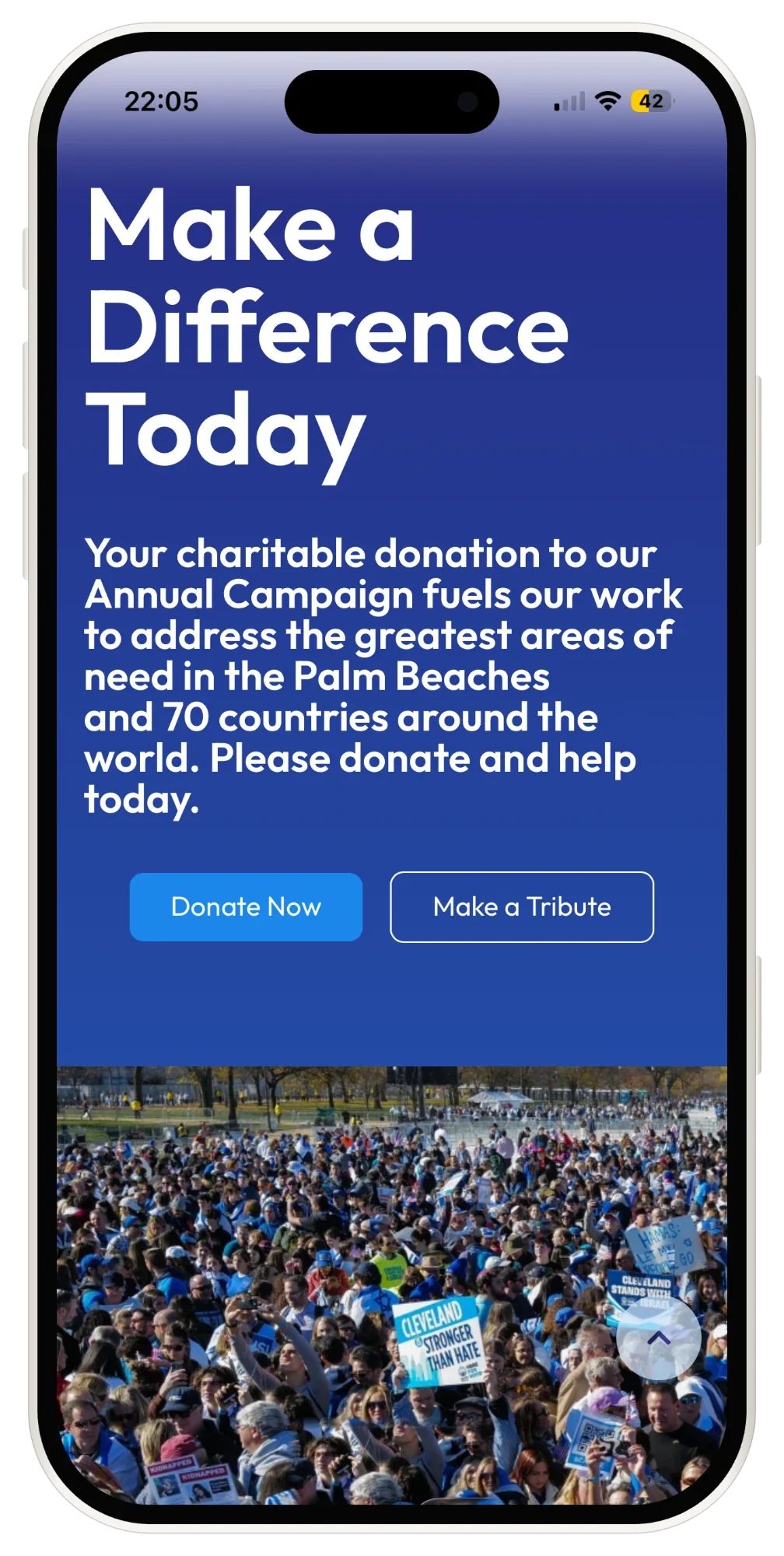
Structurally, it had grown into a content archive: information everywhere, journeys nowhere. The donate page opened with a row of eight share buttons, and on a phone there were nineteen tappable controls between the top of the screen and the first sentence of copy. A visitor who arrived wanting to give was offered every way to pass the page along before they were offered a way to give. The site informed. It never asked.
The quieter challenge was organizational. Digital had not yet earned its place at the center of the fundraising strategy, so the site was maintained rather than invested in. The rebuild had to do two jobs at once: fix the experience, and make the case for what digital could become.
Discontinued platform · Security exposure · Weak on mobile · No giving journeys · Digital on the margins
03
The approach
01
Diagnose
A full audit of the platform, the content, and the giving experience, mapped against where donors actually dropped off.
02
Align
Building a shared vision with leadership and stakeholders: the website as a working fundraising tool, with goals the whole team could be measured against.
03
Rebuild
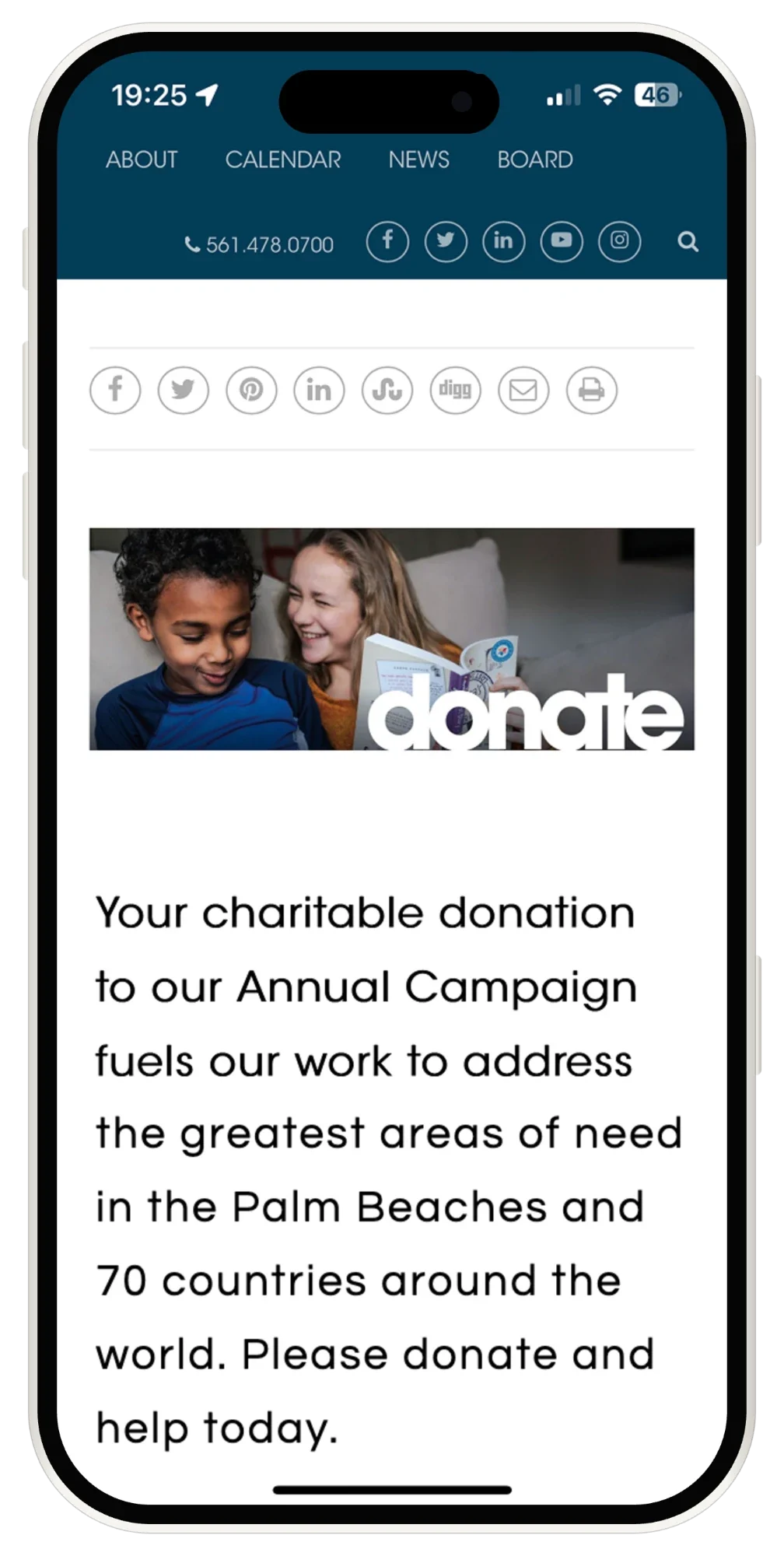
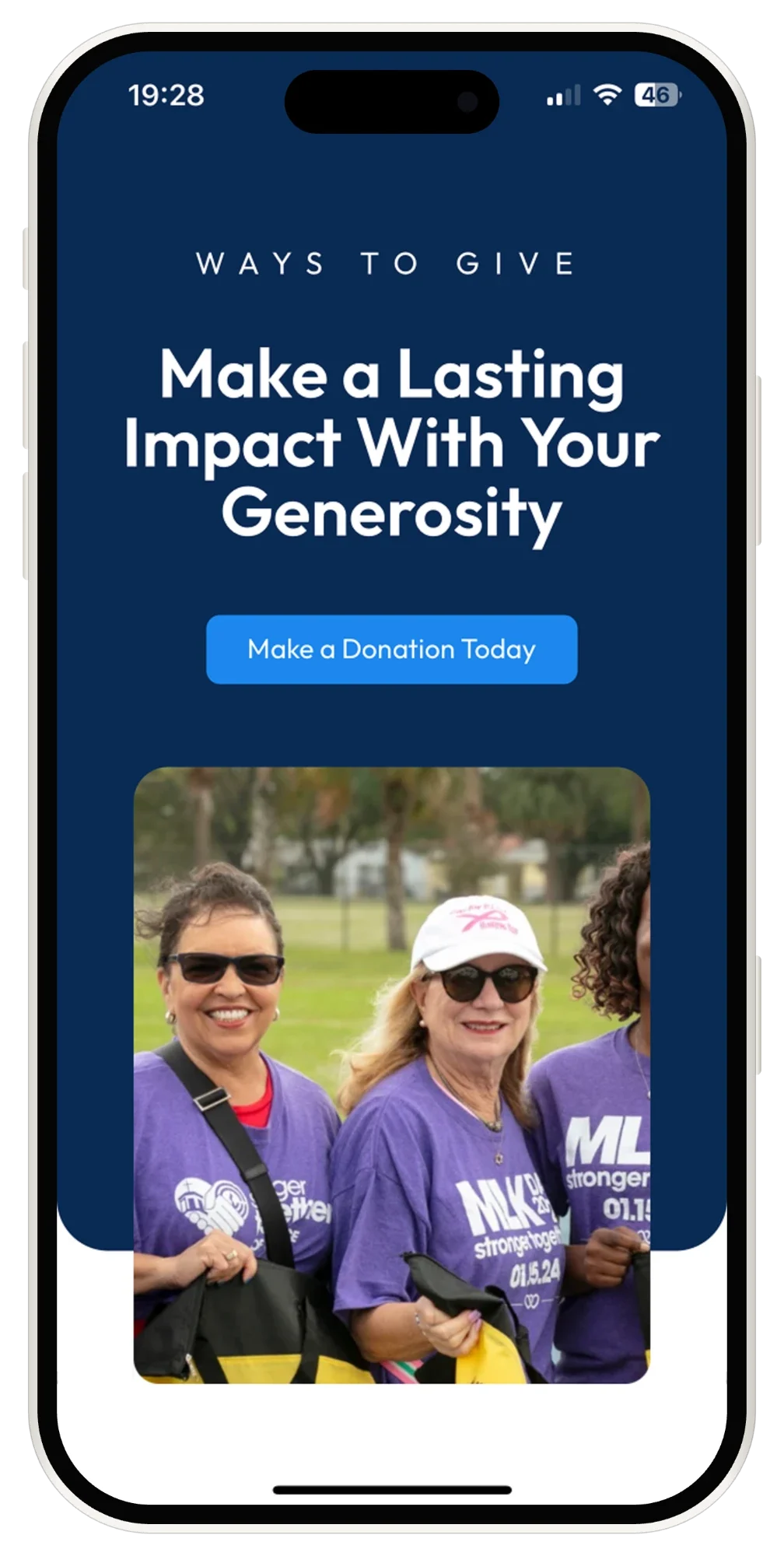
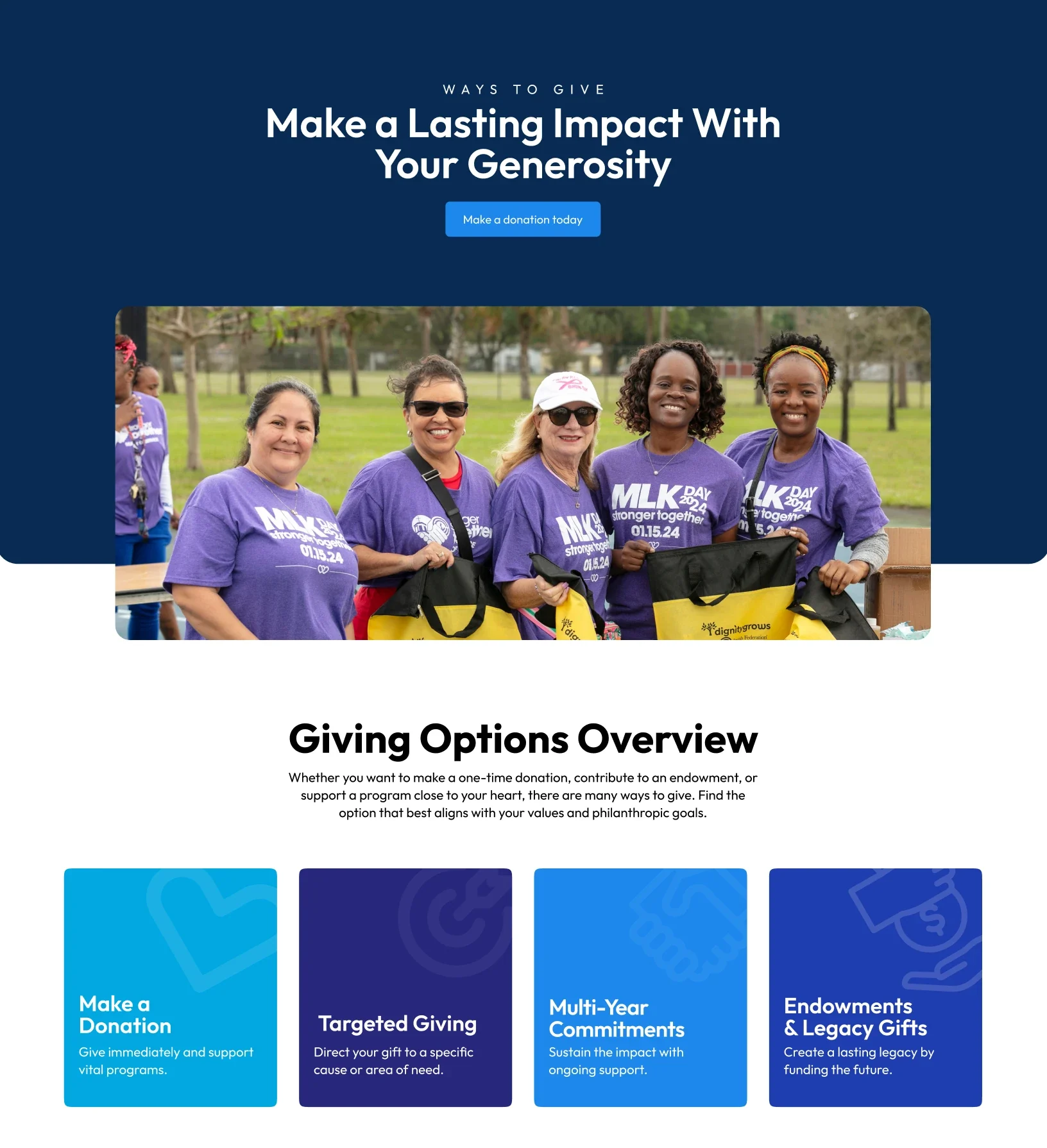
A full rebuild on WordPress: mobile first, accessible, with giving journeys at the center, plus testing frameworks and campaign governance to keep improving it.
04
The solution
05
Outcomes
+34%
Online donations
+27%
Mobile use
Donations measured across mobile and desktop; mobile use over a one-year period. Figures released by the client.
The rebuilt site shipped with clearer giving journeys, stronger accessibility, and a mobile experience that finally worked. Online donations rose 34% across mobile and desktop, and mobile use of the site grew 27% over the following year. The website earned a new role with it: a working tool at the center of the organization's digital strategy.
What started as a website rebuild became a case for investing in digital. The remit grew with it, and so did the team.
06
Reflection
This project taught me that the hardest part of digital transformation is rarely the platform. It's helping an organization believe digital deserves a seat at the strategy table, then proving it with results. If I did it again, I'd start the alignment conversations even earlier, before a single wireframe. The rebuild succeeded when it stopped being a website project and became a shared goal.
Next case study
Making a concierge's website act like a concierge